Heat exhaustion and dehydration in Cabo: warning signs and what to do
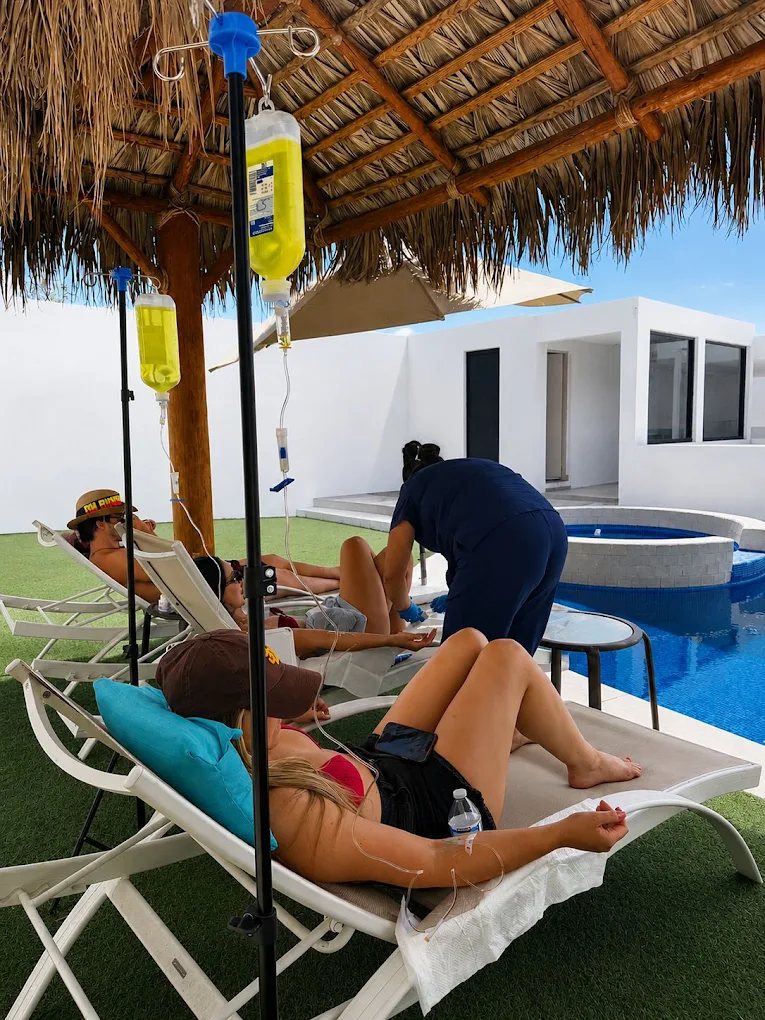
Los Cabos is famous for its desert sunshine, and that is exactly why so many travelers come. But long hours on the beach, a fishing charter under a clear sky, a round of golf or a pool party with a few margaritas can drain your body of fluid faster than you expect — even outside the hottest summer months.
Dehydration and heat exhaustion are common, usually manageable and often preventable. Heat stroke, on the other hand, is a medical emergency. This guide explains how to spot the difference, what to do in the first few minutes, when to call 911, and how to have an English-speaking doctor come to your hotel, villa or yacht in Cabo San Lucas, the Tourist Corridor or San José del Cabo.
Why travelers get dehydrated in Cabo
Visitors often arrive from cooler, more humid places and spend their first days doing far more in the sun than they would at home. Common reasons we see:
- Strong sun and dry desert air. Sweat evaporates quickly, so you may not notice how much fluid you are losing.
- Alcohol in the heat. Drinks by the pool or on a boat add to fluid loss and make it harder to notice early warning signs.
- Active days: hiking, golf, surfing, snorkeling, ATV tours and long walks around town.
- Travel day fatigue: early flights, little sleep and skipped meals.
- Stomach upsets: vomiting or diarrhea can dehydrate you quickly, especially in the heat.
- Sunburn, which also draws fluid to the skin and can make you feel unwell.
Signs of dehydration and heat exhaustion
These two often go together. Watch for them in yourself and in the people you are traveling with, especially children and older relatives:
Dehydration
- Strong thirst and a dry mouth or lips
- Dark yellow urine, or urinating much less than usual
- Headache and tiredness
- Dizziness or lightheadedness when you stand up
- In children: fewer wet diapers, no tears when crying, unusual sleepiness
Heat exhaustion
- Heavy sweating with cool, pale or clammy skin
- Weakness, fatigue and muscle cramps
- Headache, nausea or vomiting
- Fast, weak pulse
- Dizziness or a brief fainting spell
- Body temperature that may be normal or slightly raised
Heat exhaustion is your body's warning that it is struggling to cool down. Acting quickly usually stops it from getting worse.
Heat stroke: a medical emergency
Heat stroke happens when the body can no longer control its temperature. It can develop from heat exhaustion or come on suddenly, and it needs emergency care. Signs include:
- A very high body temperature, around 103°F (39.4°C) or higher
- Confusion, slurred speech, strange behavior or agitation
- Hot, red skin that may be dry or damp
- A strong, rapid pulse
- Seizures, fainting or loss of consciousness
Call 911 right away if you suspect heat stroke. While you wait, move the person to the shade or an air-conditioned room, loosen tight clothing and cool them with cool water, wet towels or a fan. Do not give fluids to anyone who is confused, very drowsy or unconscious.
What to do in the first few minutes
For mild dehydration or early heat exhaustion, these general first-aid steps often help:
- Get out of the sun into shade or an air-conditioned room.
- Lie down and rest, with your legs slightly raised if you feel faint.
- Cool down: loosen clothing, use cool damp towels on the neck and armpits, take a cool (not ice-cold) shower or sit in front of a fan.
- Sip fluids slowly: bottled or purified water, or an electrolyte drink. Small, frequent sips are easier to keep down than gulping.
- Skip alcohol and heavy caffeine for the rest of the day.
- Check again in 30 to 60 minutes. If you are not clearly improving, get medical help.
Ask a doctor or pharmacist before taking any medicine, especially for children, during pregnancy, or if you take other medication or have health conditions such as heart or kidney disease. Some common medications can make it harder for the body to handle heat.
When to see a doctor
Arrange a doctor visit the same day if:
- Symptoms do not improve within about an hour of resting, cooling and drinking
- You cannot keep fluids down because of vomiting
- You have diarrhea along with signs of dehydration
- You fainted, even briefly, or feel dizzy every time you stand
- The person affected is a baby or young child, an adult over 65, someone pregnant, or someone with diabetes, heart, kidney or lung disease
- You are worried about flying home while you still feel weak
Call 911 for any signs of heat stroke, confusion, a seizure, chest pain, trouble breathing, or if someone cannot be woken up.
Getting care in Cabo without leaving your room
House-call doctor — $199
An English-speaking doctor comes to your hotel, villa or yacht 24/7, checks your vital signs and hydration, looks for other causes of your symptoms and recommends treatment if appropriate. Typical arrival is 30–45 minutes in Cabo San Lucas and the Tourist Corridor, and up to about 60 minutes in San José del Cabo, Pedregal and Palmilla. Book a house-call doctor.
IV hydration at your door
If a doctor confirms it is appropriate for you, some travelers choose an IV drip to replace fluids, which can be helpful when it is hard to keep drinks down. Rapid Hydration is $159 + tax at your hotel or villa, or $129–$159 + tax at our clinic. See every drip on our IV therapy page. An IV is not a substitute for emergency care in heat stroke.
Pharmacy delivery
Electrolyte drinks, bottled water, sunscreen, after-sun products and any prescriptions can be delivered to your room 24/7 — free over $50 USD (a fee may apply between 10 PM and 7 AM). Order pharmacy delivery.
You can pay at the visit, and you receive an itemized invoice in English and USD for your travel insurance (we do not bill insurers directly). Our clinic is COFEPRIS-licensed (authorization #05-022-B).
How to prevent heat problems on your trip
- Drink water steadily through the day — do not wait until you are thirsty.
- Alternate every alcoholic drink with a glass of water.
- Plan hikes, golf and long walks for early morning or late afternoon.
- Wear a hat, sunglasses and light, loose clothing, and reapply sunscreen often.
- Take shade breaks on boats and beaches, and bring extra water on excursions.
- Eat regular meals; salty snacks and fruit help replace what you sweat out.
- Give yourself a lighter first day after a long travel day.
- Keep a close eye on kids and older family members, who may not say they feel unwell.
Spent too long in the sun? Read our guide to sunburn and sun poisoning in Cabo.
Frequently asked questions
What is the difference between heat exhaustion and heat stroke?
Heat exhaustion usually causes heavy sweating, weakness, dizziness, nausea and cool, clammy skin, and often improves with rest, cooling and fluids. Heat stroke is an emergency: the body temperature rises very high and the person may become confused, faint or have a seizure. Call 911 right away for suspected heat stroke.
Can a doctor come to my hotel in Cabo for dehydration?
Yes. Our English-speaking doctors make house calls to hotels, villas and yachts 24/7 for $199 USD. Typical arrival is 30 to 45 minutes in Cabo San Lucas and the Tourist Corridor, and up to about 60 minutes in San José del Cabo, Pedregal and Palmilla.
How much is IV hydration in Cabo?
Rapid Hydration is $159 USD + tax at your hotel or villa, and clinic drips are $129 to $159 + tax. Groups of 6 or more pay $119 USD per person, tax included. A doctor confirms an IV is appropriate for you first.
Is it hot in Cabo in the winter?
Winter days in Los Cabos are usually warm and sunny rather than extremely hot, but the strong sun, dry air, activity and alcohol can still lead to dehydration. Drinking water regularly and taking shade breaks matters year-round.
When should I go to the hospital for heat illness?
Call 911 for confusion, a very high temperature, fainting that does not quickly resolve, a seizure, chest pain, trouble breathing, or if someone cannot be woken up. These can be signs of heat stroke or another serious problem.
Related: Sunburn in Cabo · House-call doctor · Rapid Hydration IV · Pharmacy delivery
This article is general information, not medical advice. In a life-threatening emergency call 911.